

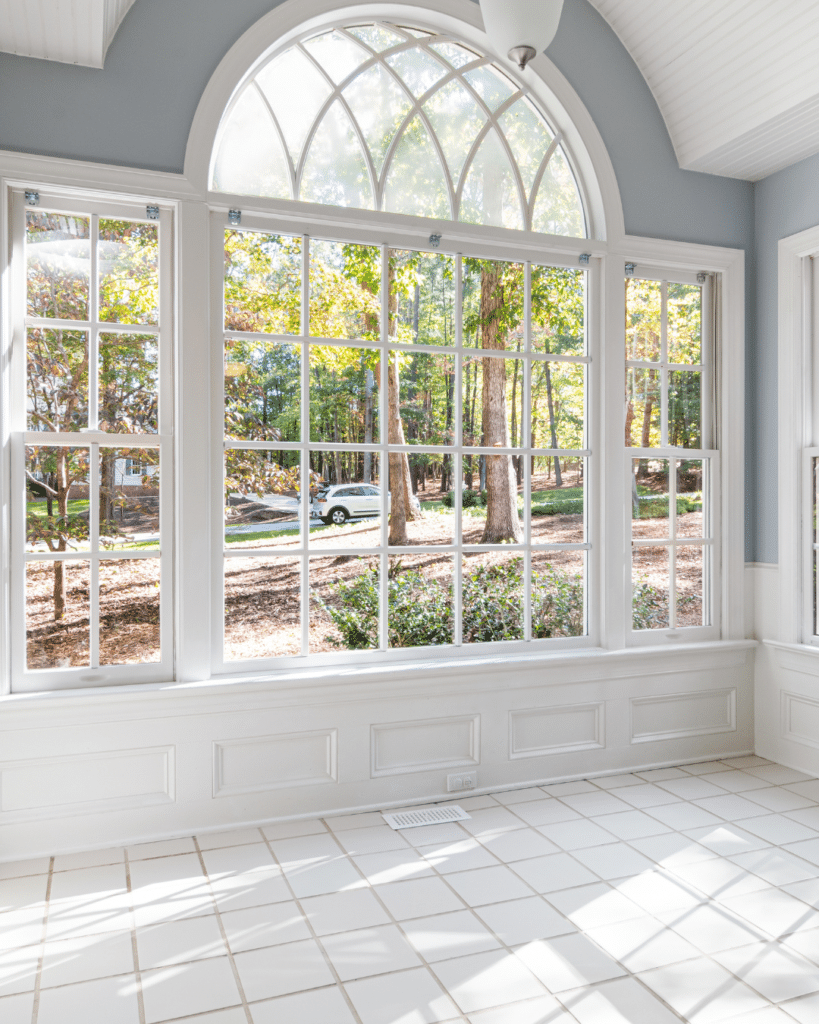
Standing in front of damaged window glass with a contractor’s estimate in one hand and a calculator in the other is a familiar spot for a lot of homeowners. The window is clearly not right, but is it really worth a full window replacement? Or will targeted window repairs hold up and save you a few thousand dollars?
The honest answer is that it depends, but not in a vague way. There are clear signals that point toward repair, and equally clear ones that point toward replacement windows. Once you know what to look for, the decision becomes a lot less stressful.
Start With the Source of the Problem
Before anything else, identify what’s actually wrong. Window problems generally fall into one of three categories: the glass itself, the frame and surrounding structure, or the mechanical parts and accessories like locks, window screens, and weatherstripping. The category matters because each one has very different repair economics.
Damage to the window glass on a window with a healthy frame is almost always repairable. Frame damage, on the other hand, is where the conversation usually shifts toward home window replacement. Hardware issues are the easiest of all and rarely justify replacing anything beyond the part itself. A thorough window inspection from an experienced glass installer is the fastest way to figure out which category you’re dealing with.
When a Repair Is the Right Call
A repair service makes sense when the window is fundamentally sound and only one component has failed. The most common scenarios include:
A cracked or broken pane in a window where the frame, sash, and insulated glass seal are all in good shape. In these cases, a residential glass replacement of the pane alone restores the window without touching the rest of it.
A failed insulated glass unit in double-pane windows or triple-pane configurations that are otherwise modern and energy efficient. An IGU replacement swaps out the sealed insulated glass panels while the frame stays in place, restoring the insulating value of the window.
A broken sash lock, torn window screens, damaged weatherstripping, or peeling paint. These are maintenance items, not structural problems, and the same goes for most glass door repairs that involve hardware rather than the glass itself.
A window that’s under 15 years old and still performing well overall. Newer architectural glass and energy-efficient windows are generally worth investing in to keep, since their frames and Low-E coatings still have years of useful life ahead.
A tight budget combined with a single, isolated issue. Most glass-only repairs land in a much lower price range than full window replacement costs, and the result is functionally equivalent for the part that was damaged.
When Replacement Is Worth the Investment
Replacement starts to make more sense when the bones of the window are no longer holding up. Watch for these signs:
The frame shows rot, warping, or visible water infiltration. Wood frames in particular can deteriorate from the inside out, and once the structure is compromised, no amount of glass work will solve the underlying issue. Persistent moisture issues can also create biological threats like mold inside the wall cavity, which is a problem that grows the longer it’s ignored.
You see foggy glass, condensation, or mineral staining between the panes of multiple double- or triple-pane windows in your home. One failed insulated glass unit is a repair. Several is a sign that an entire generation of windows is reaching the end of its lifespan, and moisture control has been compromised across the board.
The windows are 15 to 25 years old, single pane, or noticeably drafty. Older windows can quietly drive up heating and cooling costs, and in a climate like Loveland’s, where freeze-thaw cycles, winter lows, and summer highs all put pressure on your HVAC system, the energy savings from energy-efficient windows add up quickly.
The same window keeps needing service. If you’ve repaired the same unit two or three times in recent years, replacement usually becomes the more economical path.
You’re planning to stay in the home long term, or you’re preparing to sell. New windows improve energy performance, boost curb appeal, and tend to return a meaningful share of their cost in home value. Many modern options also include features like impact-resistant glass, better noise reduction, and Low-E coatings that older windows simply don’t offer.
The Energy, Warranty, and Cost Picture
Heat gain and heat loss through windows account for a significant portion of a typical home’s heating and cooling energy use. That means an old, leaky window isn’t just an aesthetic issue, it’s an ongoing monthly cost on your utility bill. Window repairs are almost always cheaper upfront, and for a sound window with a single problem, the math is clearly in favor of repairing.
But if you’re patching up windows that are already underperforming, you’re spending money to maintain a system that will continue costing you in energy bills until it’s replaced. Newer impact-resistant windows and double-pane windows also bring measurable noise reduction, which is something homeowners near busier streets often notice immediately.
It’s also worth checking the warranty coverage on your existing windows before you make a final call. Some manufacturers offer a limited lifetime warranty on the insulated glass unit, which can significantly reduce out-of-pocket costs for an IGU replacement. On the home insurance side, accidental glass damage from storms, hail, or impact is often eligible for replacement cost coverage under a standard policy. Reviewing both before you pay out of pocket is always worth the few minutes.
When you do invest in new glass or windows, ask about installation warranties as well. The quality of installation matters as much as the product itself, and a good warranty reflects the installer’s confidence in their work.
A Quick Decision Framework
Ask yourself these four questions:
Is the damage limited to the window glass or a single hardware component? Lean repair.
Is the frame solid, square, and free of rot or water infiltration? Lean repair.
Is the window under 15 years old and otherwise performing well? Lean repair.
Are you seeing window damage across multiple windows, or has this same window been repaired before? Lean replacement.
If your answers split, the most honest path forward is to have a qualified glass installer take a look in person. A good technician will tell you when a repair will hold and when it won’t, even if it means a smaller invoice for them today. Installation quality and an honest assessment are the two things that determine whether you actually get your money’s worth, regardless of which direction you go.
Frequently Asked Questions
How long should a properly repaired window last?
A glass-only replacement performed correctly should last as long as the surrounding frame and seals do, which is typically many years. The repair itself is not a temporary fix. As long as the rest of the window is in good condition, you should get full performance out of the new glass for the remainder of the window’s life.
Will replacing just one pane in a multi-pane home look mismatched?
It shouldn’t. A reputable residential glass company will match the thickness, tint, Low-E coatings, and glass type of your existing windows so the replacement blends in. If your home has specialty configurations like tempered or impact-resistant glass, that should be replicated in the new pane.
Can I repair a window myself to save money?
Small cosmetic fixes like replacing weatherstripping or a torn window screen are reasonable DIY projects. Glass replacement, however, involves safety risks, precise measurements, and proper sealing to prevent leaks and seal failure. Mistakes can cost more than the original repair and create safety issues. For anything involving the glass itself, professional installation is the safer and more economical route.
How do I know if my insulated glass seal has failed?
The clearest sign is persistent foggy glass or condensation trapped between the panes that you can’t wipe away from either side. You may also notice mineral or water stains inside the sealed unit. Once the seal fails, the insulating gas between the panes escapes and the window loses much of its energy efficiency. The fix is an IGU replacement while keeping the existing frame.
Will my home insurance help with window damage?
It depends on the cause. Sudden, accidental damage from storms, hail, or impact is often covered under standard home insurance with replacement cost coverage, though deductibles apply. Gradual issues like seal failure or general wear are usually not covered. Check your policy details before paying out of pocket, and ask whether any manufacturer warranty coverage or limited lifetime warranty still applies to your original windows.
What information should I have ready when I call for an estimate?
It helps to know the approximate age of your windows, what type of glass they have, the nature of the window damage, and how many windows are affected. Photos are also useful. With that information, a glass company can give you a clearer sense of what to expect before they even arrive.
Get an Honest Recommendation From Handy Glass Inc.
When a window is damaged, the last thing you want is a contractor pushing you toward the more expensive option by default. Handy Glass Inc. evaluates each window individually and tells you straight whether window repairs will serve you well or whether replacement is the smarter long-term move. We’ve helped homeowners throughout Loveland and Northern Colorado make this decision for years, and we’ll never recommend more work than your window actually needs.
Contact Handy Glass Inc. today to schedule an on-site window inspection and get a clear, honest recommendation for your damaged window.